Are You Actually Learning From Your Mistakes?
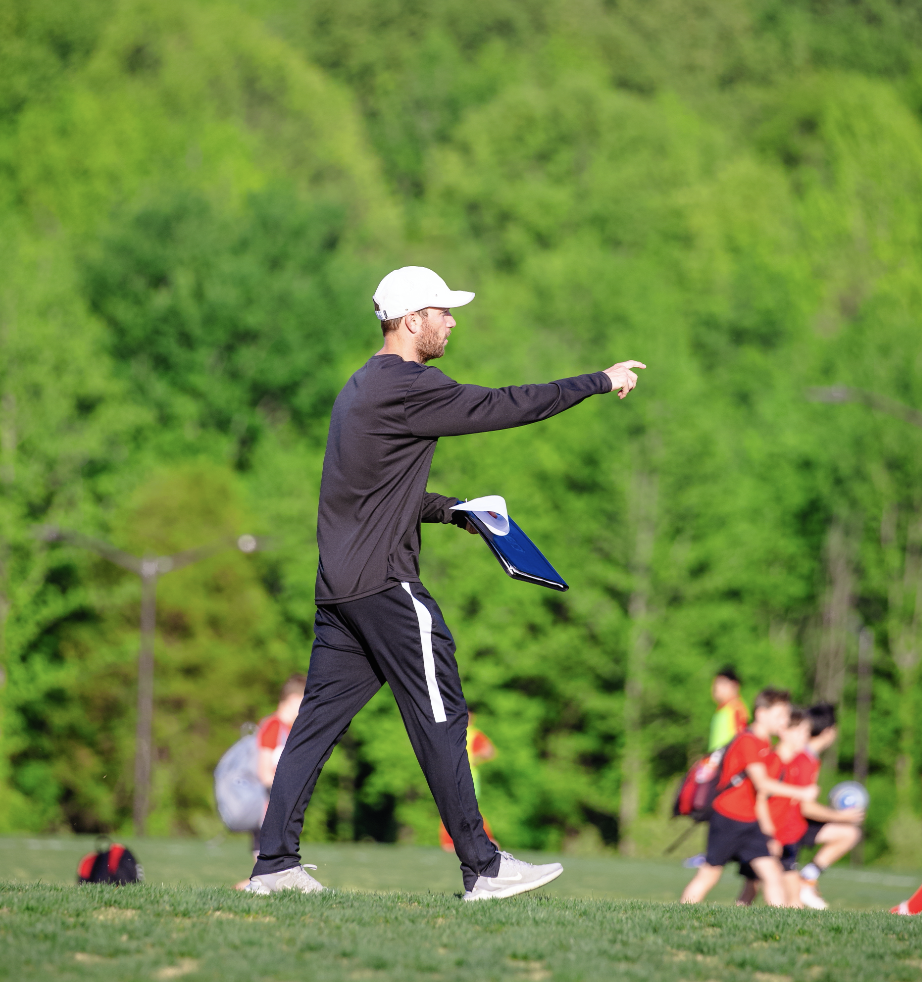
Every soccer player makes mistakes. You misplace passes, lose possession, make poor decisions, miss chances, and have performances that don't go the way you hoped. It's part of the game, and no matter what level you reach, mistakes will always be part of your experience.
We often encourage players to take risks, embrace mistakes, and not let one bad moment affect the rest of their performance. That's important advice. But there's another part of making mistakes that we think deserves just as much attention.
Are you actually learning from them?
There's a difference between making a mistake, moving on from it, and using it to become a better player. You can have a great attitude, keep your confidence, and continue playing after something goes wrong. But if you find yourself making the same mistakes week after week without changing anything, you're missing an opportunity to improve.
Mistakes are going to happen. What matters is what you choose to do with them.
Making Mistakes Doesn't Automatically Mean You're Improving
We're big believers in encouraging players to take risks at training. Try the difficult pass, take someone on, use your weaker foot, and challenge yourself to do things that might not come naturally yet. When you're pushing yourself outside your comfort zone, mistakes are expected. In fact, they're often necessary. But not all mistakes are created equal.
There's a difference between losing the ball because you're attempting something new and repeatedly losing the ball in the same situation without ever trying to understand why. There's a difference between making a poor decision and recognizing what you could have done differently, versus making that same decision every weekend and hoping for a better outcome.
Improvement doesn't come simply from making mistakes. It comes from recognizing what those mistakes are teaching you and making the effort to adjust. If you're consistently struggling with something, pay attention to it. Those repeated mistakes might be showing you an area of your game that needs more work, a decision you need to reconsider, or a habit you've developed without realizing it.
Don't Just Move On. Learn Something.
One of the most common pieces of advice players hear after making a mistake is to move on. Don't dwell on it. Keep your head up. Focus on the next play. We agree with that, especially during a game. You can't allow one mistake to turn into three because you're frustrated or distracted by what just happened. You need to be able to refocus, stay present, and continue competing.
But moving on from a mistake doesn't mean you should forget about it entirely. There's a time to focus on the next play and a time to reflect on what happened. During a game, your priority is staying engaged and making the best decisions you can in the moment. Afterward, you have an opportunity to look more closely at the situations that challenged you.
Maybe you keep getting caught in possession. Maybe you're consistently making the wrong decision in the final third. Maybe you struggle to defend a certain type of player. Instead of getting frustrated and deciding you simply need to "play better," start looking for patterns.
Watching film can be especially valuable here. Sometimes what you remember happening during a game isn't exactly what happened. Film allows you to see the situation again, consider the options available, and understand whether a different decision could have produced a better outcome.
The goal isn't to criticize every mistake you make. It's to become more aware of your game so you can make better decisions moving forward.
Recognize the Pattern. Make an Adjustment.
Let's say you keep losing possession when receiving the ball under pressure. It happens during training, then again during your game on Saturday. You get frustrated because you know you're capable of keeping the ball, but the same thing continues to happen. You could decide that you just had a bad game, move on, and hope it goes better next weekend. Or you could take a closer look at what's happening.
Are you scanning before receiving? Is your first touch putting you into pressure? Are you recognizing your options early enough? Could you position your body differently?
Suddenly, what felt like a frustrating mistake becomes something you can actually work on.
This is where being coachable becomes incredibly important. If you don't understand why something keeps happening, ask for feedback. Talk to your coach, watch film, and be willing to hear a different perspective. Sometimes another person can recognize something in your game that you haven't noticed yourself.
And when you receive that feedback, do something with it. Don't immediately get defensive or make excuses for why the situation happened. Listen, ask questions if you need clarification, and challenge yourself to apply what you've learned the next time you're in that situation.
You might not get it right immediately. That's okay. You're learning to recognize a situation and respond differently, and that takes practice.
Take Ownership of What You Can Control
Learning from mistakes requires accountability. It's easy to explain why something went wrong by pointing to circumstances around you. Your teammate didn't make the right run. The referee made a bad call. The field was terrible. Your coach put you in a difficult position.
Sometimes those things genuinely affect a situation. But spending all your energy focusing on what someone else could have done differently doesn't help you improve your own game. Instead, challenge yourself to identify what was within your control. Could you have communicated earlier? Made a different decision? Reacted faster? Positioned yourself better? Responded differently after something went wrong?
This doesn't mean taking responsibility for every negative thing that happens on the field. It means being willing to look at your own contribution and recognize where you have an opportunity to improve.
And we want you to be competitive about it. Have a little fire. If something continues to get the better of you, let that motivate you to figure it out. Ask questions, get extra reps, and challenge yourself to become better in those situations.
Don't let frustration become an excuse. Use it as motivation to improve.
Mistakes Are Information, Not Evidence
One of the most important things we want players to understand is that making a mistake isn't evidence that you aren't good enough.
A bad performance doesn't determine your potential. A poor decision doesn't define the type of player you are. Struggling with something today doesn't mean you'll always struggle with it.
Throughout both of our playing careers, we've experienced failures, setbacks, and difficult feedback. We've had moments when things didn't go the way we wanted, and we've had to recognize areas where we needed to improve. Those experiences became some of our greatest opportunities to learn and grow because of how we chose to approach them. Your perspective makes a difference.
You can look at repeated mistakes as proof that you aren't capable, or you can look at them as information about what you need to work on next. You can become frustrated by feedback, or you can recognize that someone is giving you an opportunity to see your game differently. You can allow failure to discourage you, or you can use it to challenge yourself.
The mistake itself doesn't automatically make you better. You have to decide to learn from it.
What Will You Do Differently?
The next time you finish a training session or game, think about whether there was a situation that repeatedly challenged you. Not every misplaced pass or unsuccessful play needs to become a major lesson, but patterns are worth paying attention to.
If something keeps happening, get curious about it. Watch film if you have access to it. Ask your coach for feedback. Think about what you could do differently, and then make that adjustment something you intentionally practice.
Don't expect every change to happen overnight. You might need to work on the same thing for weeks before it becomes more natural. What matters is that you're no longer repeating the same mistake without trying to understand or improve it.
You're going to make mistakes throughout your entire soccer journey. You're going to experience failure, receive criticism, and face situations that challenge you. None of those things have to limit what you're capable of becoming.
Mistakes and failure are information, not evidence that you aren't good enough. Learn to use that information, and see how far it can take you.
Want to Be More Intentional With Your Development?
Inside Gabarra Elite Development, we help players take a more intentional approach to their development. Through individualized training plans, weekly mentorship, feedback, and accountability, we help players recognize areas of their game that need attention and build a plan to improve them.
We want our players to become more aware of their strengths, weaknesses, habits, and decisions, and learn how to take ownership of their development throughout their soccer journey.
If you're serious about playing college soccer and want mentors in your corner helping you learn, grow, and consistently work toward your goals, apply to work w
