
The space built to fuel your mindset, sharpen your game, and remind you that the journey is just as important as the results
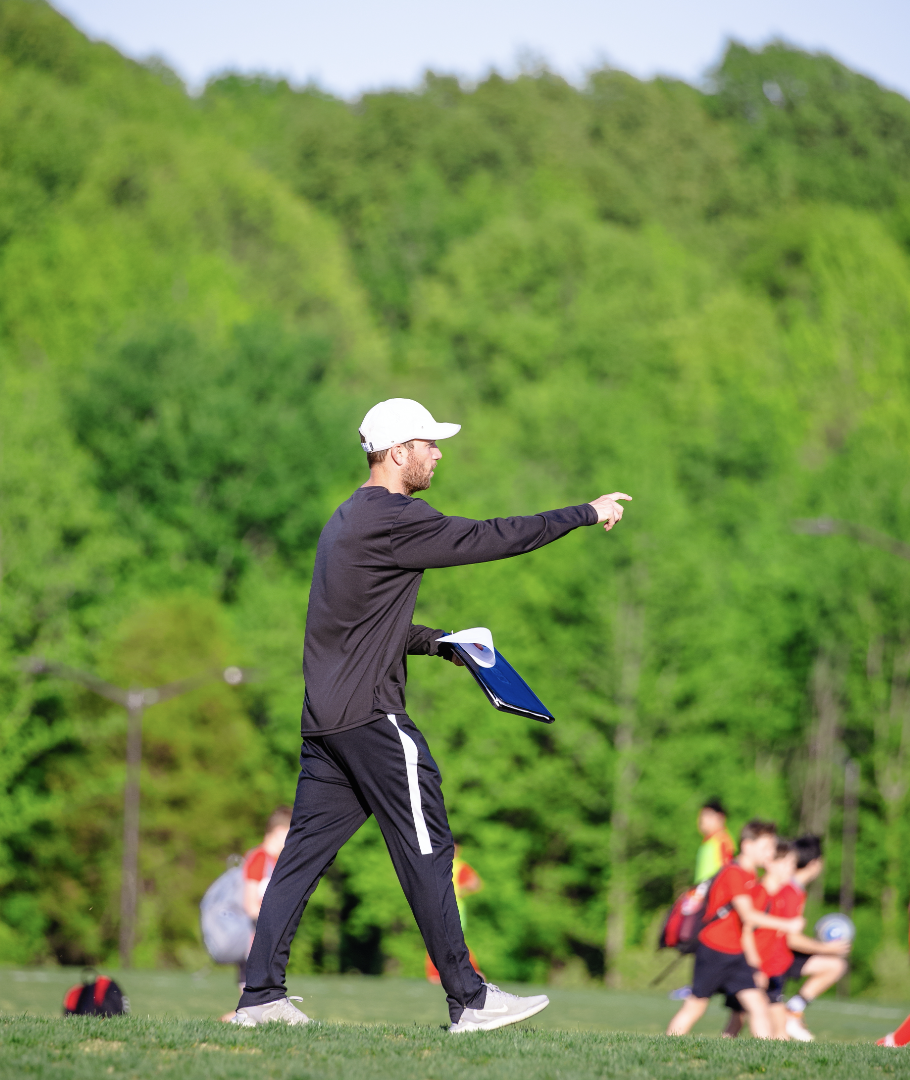
Are You Actually Learning From Your Mistakes?
Every soccer player makes mistakes, but making them doesn't automatically mean you're improving. Are you recognizing patterns, learning from feedback, and making adjustments? Here's how to stop repeating the same mistakes and start using them as opportunities to grow.
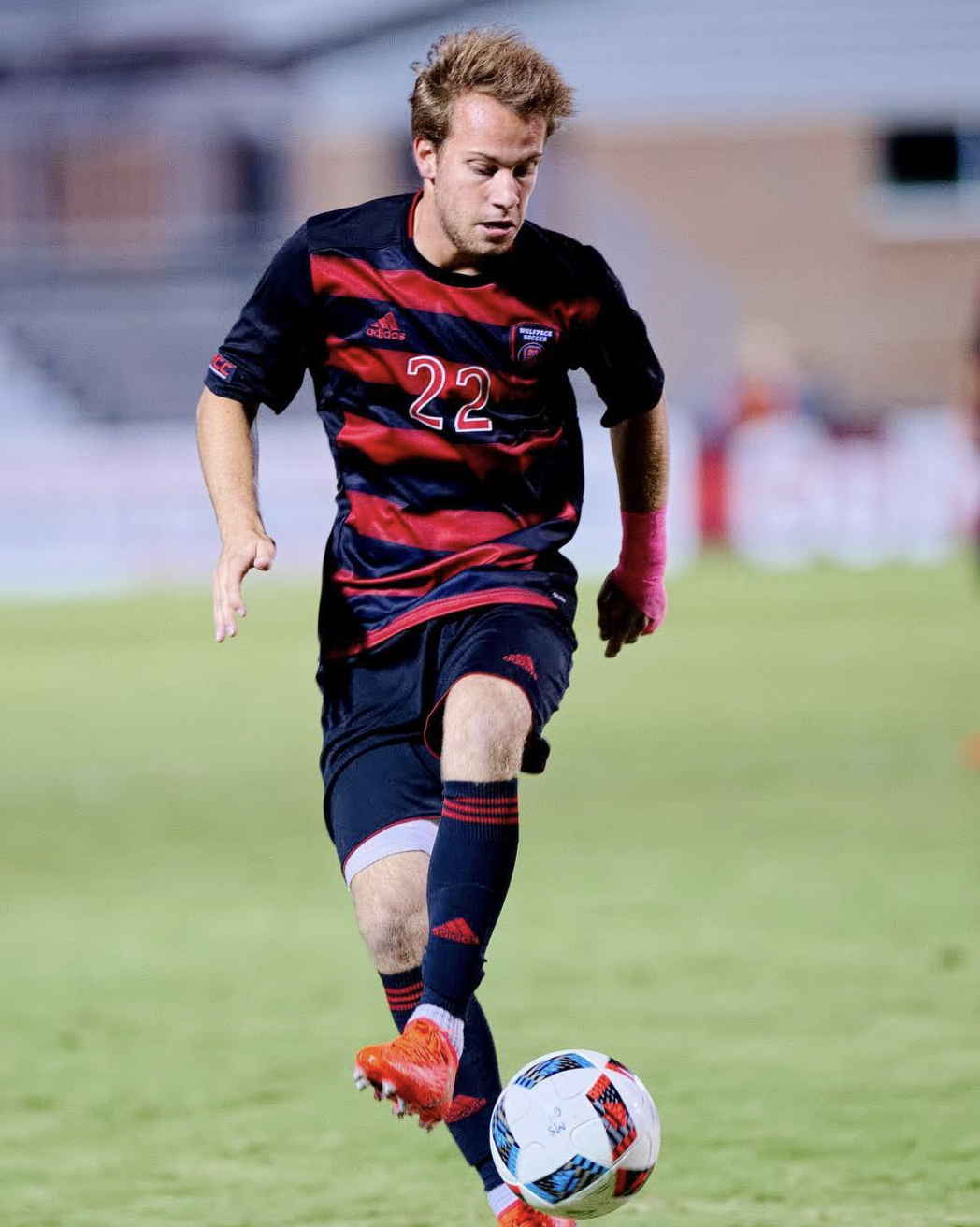
What to Look for in a College Soccer Program
A college visit isn’t just about whether a school impresses you. It’s your opportunity to figure out whether you can actually see yourself developing, competing, learning, and living there for the next four years. Here’s what to pay attention to when evaluating a college soccer program and school.
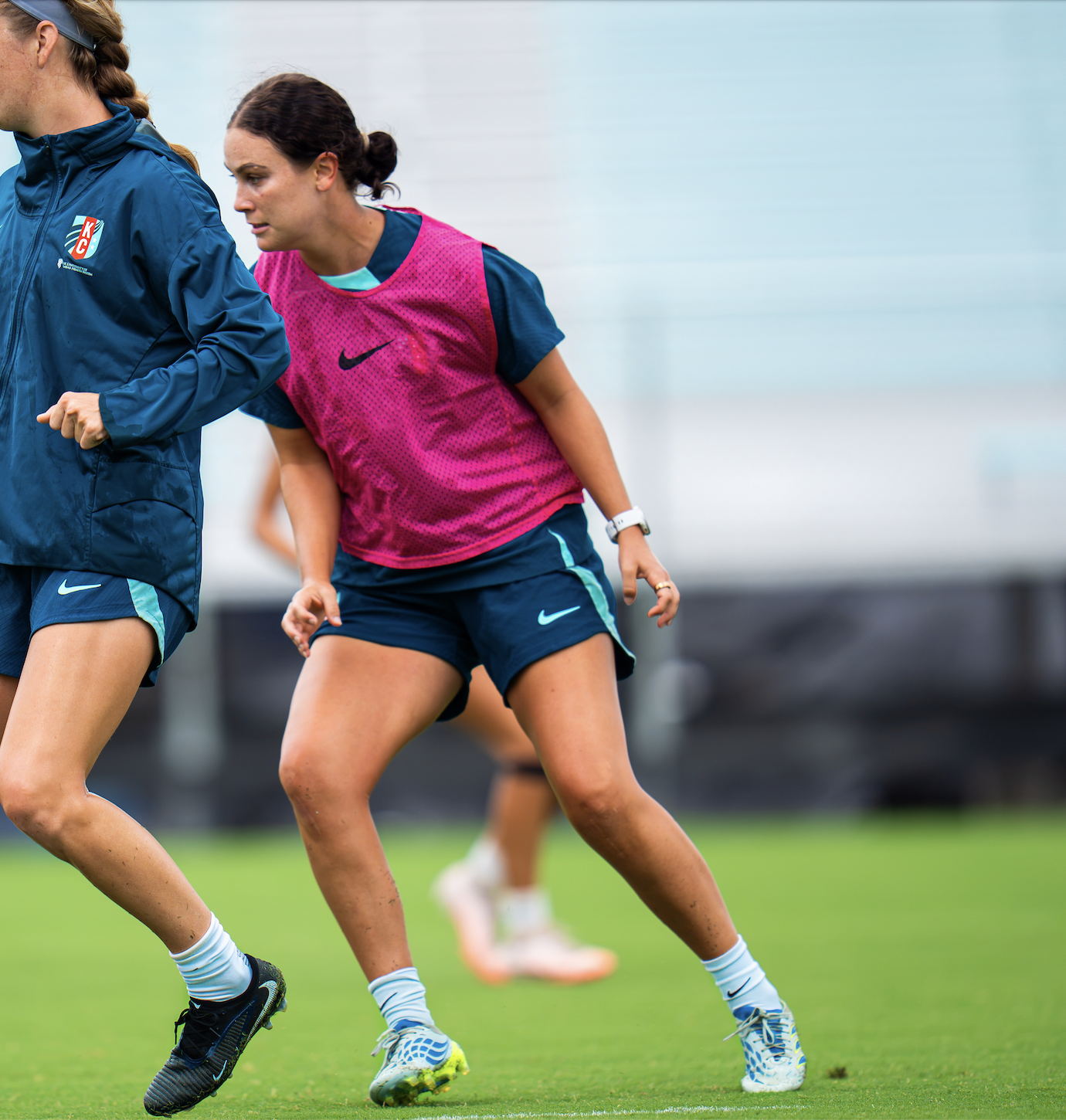
How You Train Is How You Play
You want to compete, communicate, play with confidence, and perform at full speed on game day. But are you practicing those things during the week? How you train is how you play — and going through the motions at practice won't prepare you to become the player you want to be.

You Train Your Body. Are You Training Your Mind?
You spend hours training your technical and physical game, but your mindset needs reps too. Confidence, accountability, resilience, and responding to mistakes are skills that can be developed. Here’s how to start training your mind to work for you instead of against you.

How to Build Your Own Player Development Plan
Extra training only works when it has a purpose. Learn how to identify what you actually need to improve, turn it into a specific and measurable plan, and build a system that helps you stay consistent long enough to see real results.

What to Do When You’re Not Getting the Playing Time You Want
Not getting the playing time you want is something almost every player will experience. You can be disappointed without letting it change the teammate or player you are. Here’s how to control what you can, ask for feedback, keep improving, and make sure you’re ready when your opportunity comes.

Are You Coachable?
Every player says they want to get better, but getting better requires being willing to hear what you need to improve. Learn what being coachable actually looks like, how to respond to feedback with confidence, and how to become a player who is always hungry to learn.

The 20-Minute Rule: How to Keep Improving During Your Season
Once the season starts, extra training is usually the first thing to disappear. But continuing to improve doesn’t require another hour-long session. Here’s how 20 minutes of focused, intentional work can help you stay consistent, attack your weaknesses, and keep developing throughout your season.

Inside Our Mindset Workshop
Last week, we brought players together for a mindset workshop focused on three areas that can shape your entire soccer journey: confidence, leadership, and adversity. Here are some of the biggest lessons we shared and how you can start applying them to your own game.

How to Study a Professional Player During a Game
Stop watching soccer like a fan and start studying it like a player. This practical guide teaches players exactly what to look for during a game—from off-ball movement and scanning to transition moments and decision-making—so they can turn every match into a masterclass for their own development.

Questions to Ask Yourself Before Choosing a College Soccer Program
Choosing a college soccer program is one of the biggest decisions you'll make as a player. The right fit looks different for everyone, which is why understanding what matters most to you is so important. Before making your decision, ask yourself these questions to help you find a program where you'll grow, compete, and thrive both on and off the field.

How to Build a Pregame Routine You Can Trust
Every player prepares differently before a game—and that's okay. The goal isn't to copy someone else's routine. It's to build one you trust. Learn the non-negotiables of game day preparation, how to develop rituals that work for you, and why confidence starts long before the opening whistle.

What Should You Actually Be Working On?
Many players spend their extra training working on the skills they're already comfortable with. While it's important to continue sharpening your strengths, the biggest improvements usually come from intentionally attacking the areas that are limiting your game. Here's why knowing what to work on is one of the most important parts of player development.

Every World Cup Player Was Once the Kid Doing Extra Work
The World Cup shows us the goals, celebrations, and big moments. What it doesn't show are the years of training, setbacks, and commitment that built those players. Every player on that stage was once a kid working on their game after training, chasing a dream, and trusting that the work would pay off.

Why the Jump to College Soccer Feels So Big
The jump from club soccer to college soccer is real. The speed is faster, the competition is tougher, and the demands are greater. But that's exactly what makes it exciting. Here's what makes the transition challenging—and how players can start preparing for it now.

5 Things You Should Bring to Every Team
Throughout your soccer career, you'll play on different teams, have different coaches, and face different challenges. But there are certain qualities that should come with you everywhere you go. Here are five traits every player should bring to every team, regardless of the situation.

Why Our Training Plans Focus on the Fundamentals
The best players are often obsessed with the things most people overlook. Here's why our personalized training plans focus on the fundamentals—and how intentional reps build the confidence, consistency, and trust that help players reach the next level.

The Value of Learning From Someone Who’s Been There
There’s value in learning from people who have already navigated the highs, lows, pressure, setbacks, and demands of the process themselves. Here’s why mentorship and guidance are such an important part of real player development.

Did You Actually Improve Today?Questions to Ask Yourself After Every Session
Training with intention is about much more than just finishing a session tired. It’s about focus, urgency, discipline, and how you respond once things get uncomfortable. Here are the questions every player should be asking themselves after they train.

Why Development Is Bigger Than Soccer
Development is about much more than what happens during a training session. From confidence and setbacks to leadership and accountability, this is a look into the guidance and mentorship that truly help young players grow.