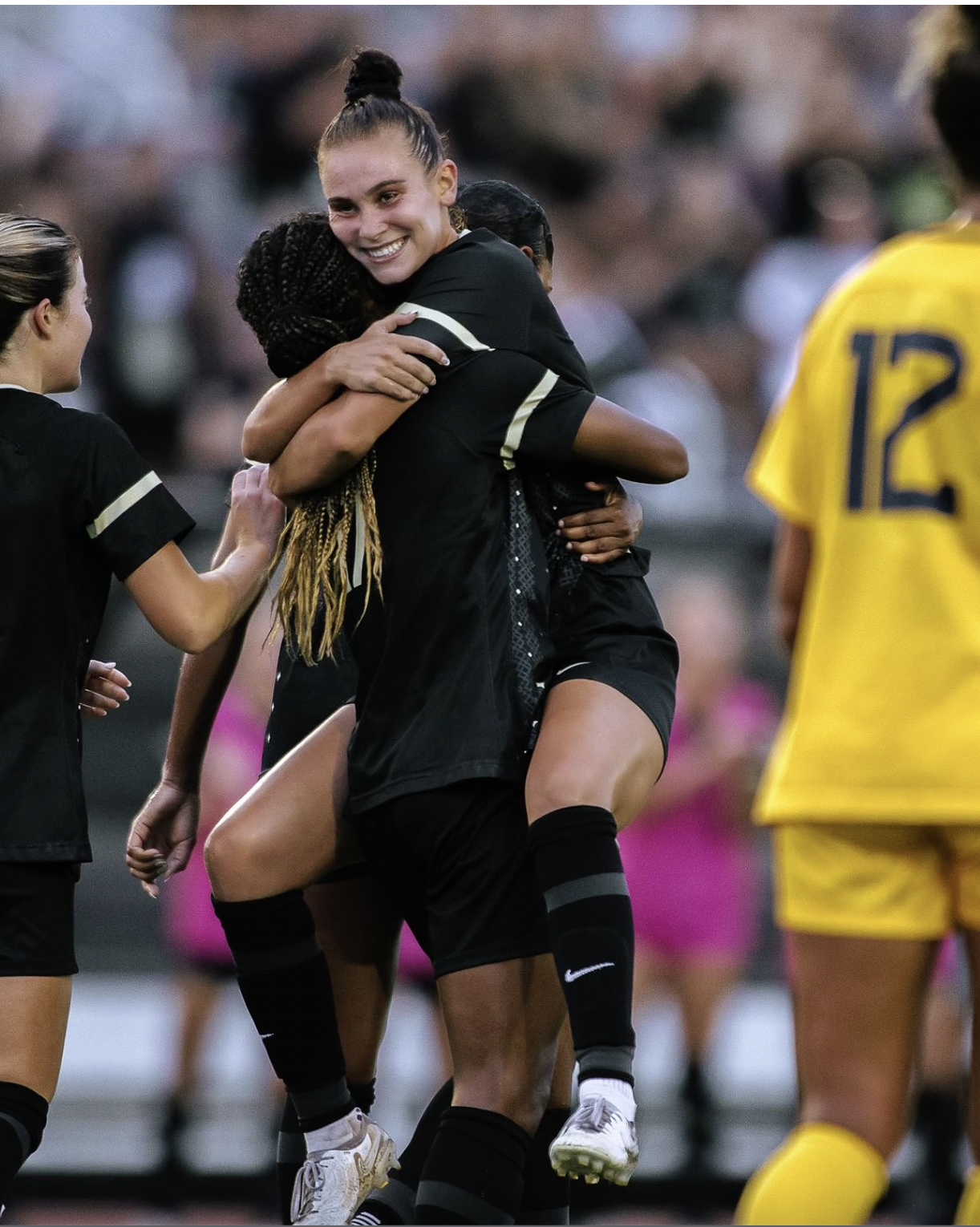
When you think about the best player on your team, who comes to mind? Maybe it's the player who scores the most goals, starts every game, or consistently makes the biggest impact on the field.
Now think about the best teammate you've ever played with. Is it the same person?
Being a great soccer player and being a great teammate aren't necessarily the same thing. You can be the most talented player on the field and still struggle to positively influence the people around you.
Being a great teammate goes beyond your individual performance. It's about your attitude, communication, work ethic, and the way you support and challenge others.
The best teammates hold themselves to the highest standards and bring the people around them up with them.
Hold Yourself to a High Standard First
Great teammates don't just expect more from others. They expect more from themselves.
They show up prepared, compete hard at training, communicate consistently, and take responsibility for their actions. They understand that their habits and attitude contribute to the environment they're creating for everyone around them.
Think about it. How can you ask a teammate to work harder if you're not giving your best effort? How can you expect others to communicate or stay focused if you're not doing those things yourself?
When you consistently hold yourself accountable, you earn the respect and trust of your teammates. You lead through your actions and demonstrate the standards you want others to follow.
Before you ask more from your teammates, make sure you're asking enough from yourself.
Great Teammates Push Each Other
Being a great teammate doesn't mean always telling people what they want to hear. Sometimes it means challenging them, even when they don't want to be challenged.
Maybe a teammate isn't giving their best effort during training, loses focus, or becomes discouraged after making mistakes. A great teammate is willing to speak up, encourage them, and ask for more.
But how you communicate matters.
There's a difference between challenging someone to be better and making them feel embarrassed or inadequate. Great teammates hold each other accountable in ways that are encouraging and uplifting, not condescending.
The goal isn't to criticize someone for what they're doing wrong. It's to help them recognize what they're capable of and encourage them to raise their standard.
The best teammates don't just support you when things are going well. They push you to become better, even when things are difficult.
Be the Same Teammate Whether You Play 90 Minutes or 5
It's easy to be encouraging, positive, and engaged when you're starting every game and playing well. But what happens when you're sitting on the bench, frustrated with your playing time, or struggling with your own performance?
Your individual circumstances shouldn't determine the kind of teammate you are.
Whether you play 90 minutes or 5, you still have a responsibility to contribute to your team's environment. You can communicate, encourage others, celebrate your teammates' successes, and stay engaged in what's happening on the field.
This doesn't mean you can't be disappointed about your role or performance. It means understanding that your personal frustrations shouldn't negatively affect the people around you.
Your commitment to your teammates shouldn't change based on how things are going for you personally.
Your Actions Affect the People Around You
One of the most overlooked parts of being a great teammate is understanding how your behavior influences others.
Think about your body language when someone makes a mistake. Do you throw your hands up, roll your eyes, or show frustration? Or do you encourage them, help them refocus, and prepare for the next play?
Your reactions communicate something to your teammates, whether you realize it or not.
The same goes for how you approach training. When you compete hard, communicate, and bring energy, you encourage the players around you to do the same. When you're disengaged or consistently negative, that can affect the environment as well.
You don't have to be the captain or the loudest player on the team to make an impact. Every player has the ability to influence their teammates through their actions, attitude, and consistency.
Leadership isn't reserved for the players wearing the captain's armband. It's something you demonstrate every day.
Would You Want to Be Your Own Teammate?
We want you to take a moment and think about the kind of teammate you are.
Are you holding yourself to the same standards you expect from others? Are you encouraging when someone makes a mistake? Do you celebrate your teammates' successes? Are you willing to challenge others in a way that helps them improve? Do you show up with the same attitude whether you're playing 90 minutes or 5?
Most importantly, would you want to be your own teammate?
Being a great teammate isn't about being the best player, having the most experience, or being everyone's best friend. It's about the impact you have on the people around you.
Hold yourself to a high standard. Support your teammates when they're struggling. Challenge them when they need to be pushed. Celebrate their accomplishments, and take responsibility for the environment you're helping create.
Great teammates don't just focus on becoming better players themselves. They help the people around them become better, too.
Develop More Than Just Your Game
At Gabarra Elite Development, we believe becoming a well-rounded player involves more than technical, tactical, and physical development. Learning how to communicate, lead, take responsibility, and positively influence others is an important part of preparing for the next level.
Through individualized development plans, weekly mentorship, and structured off-field assignments, we help players develop the skills, habits, and mentality needed to pursue their long-term goals.
If you're serious about playing college soccer and want guidance in becoming the best player and teammate you can be, apply to work with us inside Gabarra Elite Development.
