The 20-Minute Rule: How to Keep Improving During Your Season
A new season brings a lot with it. Team training picks back up, games fill your weekends, school gets busier, and suddenly the extra work you were doing over the summer becomes much harder to fit in. This is usually where we see players start to get complacent. They tell themselves they don't have enough time anymore, or that they're already training enough with their team, and the individual work that helped them improve slowly disappears.
Your extra work during the season doesn't need to look the same as it did during the offseason. You don't need to add hour-long sessions on top of an already demanding schedule, and you definitely shouldn't be doing so much that you're constantly tired for team training and games. But that doesn't mean your individual development has to stop for the next several months. Sometimes, 20 focused minutes is enough.
Stop Waiting Until You Have an Hour
Players tend to overcomplicate what "extra work" needs to look like. They think they need an open field, an hour of free time, a full workout written out, and enough energy to leave completely exhausted. When none of those things line up during the season, they decide they simply don't have time to train.
Instead, look for the 20 minutes you do have. Maybe it's 20 minutes of technical work in your backyard after school. Maybe you arrive at team training early and get focused touches before everyone else starts. Maybe you spend 20 minutes on mobility and recovery because your body needs it that day. Extra work doesn't always need to be another full training session. It needs to be intentional work that helps you become a better player.
Even 30 focused minutes across an entire week can make a difference when you know exactly what you're working on. The goal is to find something realistic enough that you can continue doing it week after week instead of going all-in for two weeks and stopping when your schedule gets busy.
Keep Developing During Your Season
Being in season doesn't mean your only goal should be maintaining where you are. You can still actively improve your weaknesses while making sure your body is ready to perform.
If your weak foot needs work, spend 15–20 minutes getting intentional reps with it. If you need quicker feet, find a short window for focused footwork. If you've had a heavy week of training and games, your 20 minutes might be mobility and recovery instead. The work should change depending on what you need and what the rest of your week looks like.
This is where having a purpose becomes so important. Twenty minutes of random touches probably won't change your game very much. Twenty minutes spent intentionally attacking something you've identified as a weakness, repeated consistently over the course of a season, absolutely can.
Consistency Has to Work in Real Life
It's easy to be consistent when you have unlimited time. The real challenge is learning how to continue showing up when your schedule gets busy.
If your plan only works when you have an open afternoon and tons of energy, it isn't a very good plan. Your development needs to fit into your actual life. During some parts of the year, that might mean three longer individual sessions each week. During a busy season, it might mean finding a few 15–20 minute windows where you can stay sharp and continue attacking your weaknesses.
This is also why missing one session shouldn't throw you completely off track. Your week will change. Games will move. Your body will feel different. School will get busy. Consistency isn't about following the exact same schedule perfectly for months. It's about continuing to find ways to do the work even when your circumstances change.
Small Work Adds Up
Twenty minutes doesn't sound like much, and that's exactly why it's so easy to underestimate. But imagine choosing one area of your game that needs improvement and giving it 20 intentional minutes every week for your entire season. Those reps start to add up quickly.
More importantly, you build the habit of continuing to invest in yourself even when nobody is telling you to. That's something you'll need more and more as you move up levels. There will always be practices, games, school, travel, and other responsibilities competing for your time. Learning how to consistently find small opportunities to improve is a skill in itself.
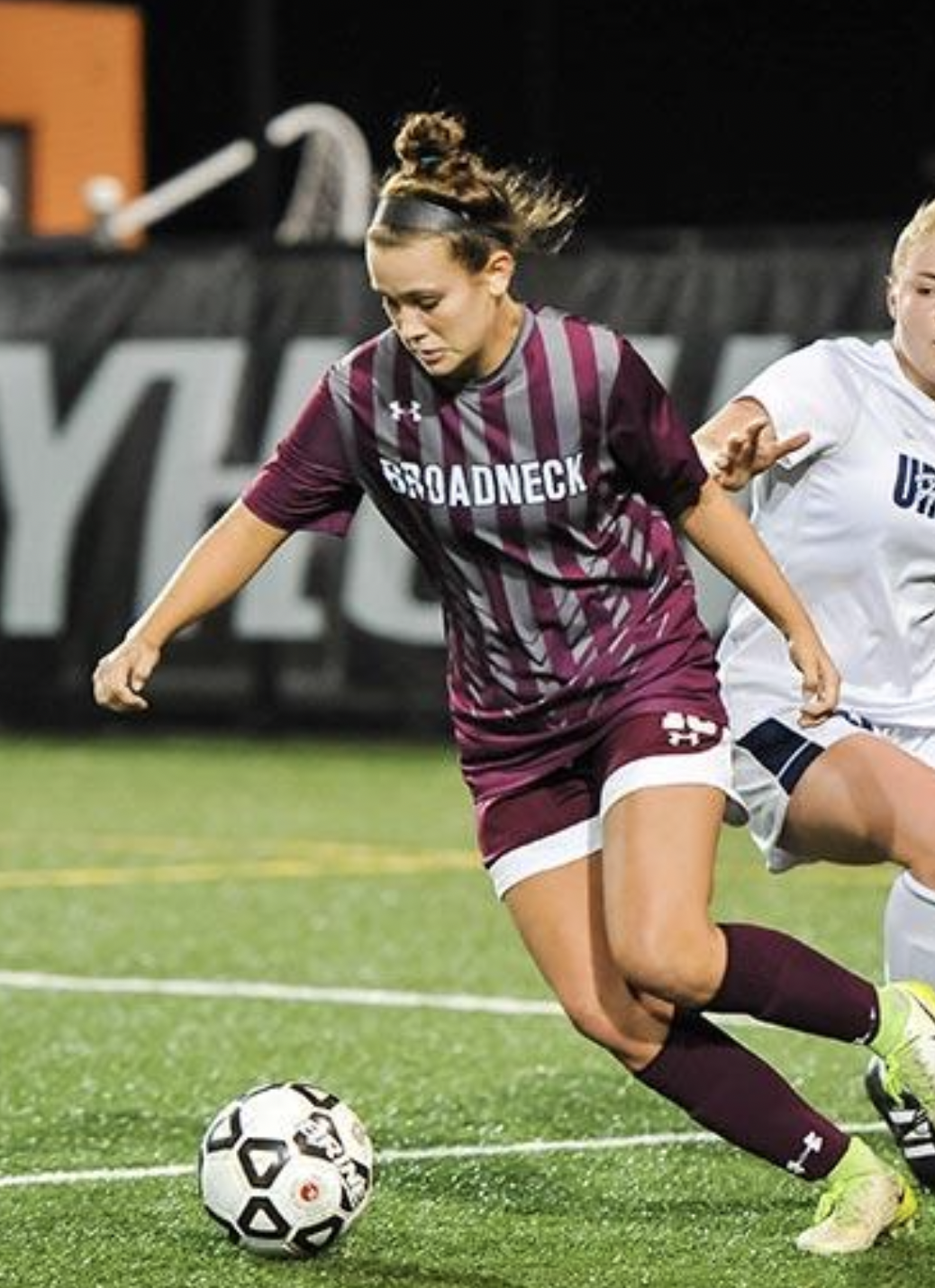
As you head into your new season, don't ask yourself how you're going to find another hour to train. Look at your schedule and find the 20 minutes. Decide what you need to improve, make those minutes as intentional as possible, and keep showing up week after week.
Inside Gabarra Elite Development, this is exactly what we help our players do. We build their individual development around their real schedules, team training, games, goals, and what they personally need to improve. As the season changes, the plan changes with it. If you want structure, accountability, and a clear plan for continuing to improve throughout your season, apply to work with us.
