Why Most Players Waste Their Summer (And How to Use It Right)
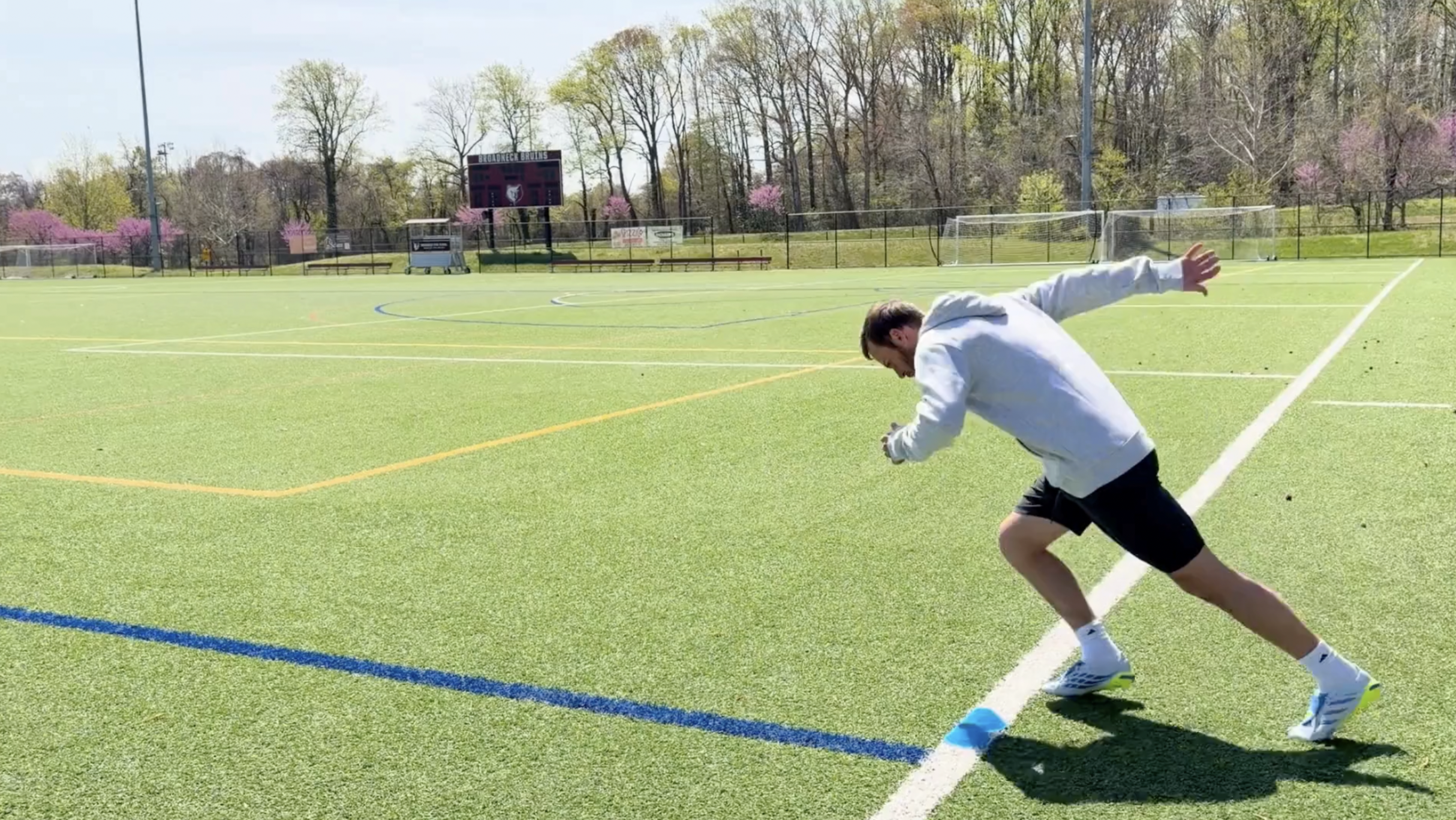
For most players, this time of year feels like a transition. The season is starting to wind down, schedules are about to change, and summer is right around the corner. A lot of players treat it as a break or a reset before things pick back up again. But what actually happens during this time is simple: some players become more intentional with their development, while others slowly drift.
What Happens When the Season Ends
During the season, your schedule is built for you. You show up to team training, prepare for games, and follow a routine that’s already in place. There’s structure, but it’s not always built around what you specifically need as an individual player. When the season ends, that structure goes away, and for most players, nothing replaces it.
Where Most Players Lose Progress
This is where players tend to fall into one of two patterns. They either stay active without much direction, training when they feel like it and mixing in sessions without a clear focus, or they become inconsistent and lose momentum over time. In both cases, they’re putting in effort, but it’s not leading to clear progress.
Why Summer Matters for Individual Development
Summer creates something players don’t often have during the season: space. During the season, most development happens in a team environment built around the group and game preparation. While that’s important, it doesn’t always allow for consistent individual focus.
Summer gives you the opportunity to slow things down and focus on details that actually move your game forward—your first touch, your confidence on the ball, your fitness, and your consistency. This is where real individual development can happen, but only if you approach it with intention.
What This Time Is Actually For
This period isn’t about doing more—it’s about being more intentional. It’s a chance to understand what you need to work on, build consistency into your week, and make sure your training is actually leading to progress. The players who improve the most during this stretch aren’t doing anything extreme. They simply have direction, stay consistent, and focus on the details that matter. Because of that, when they return to their team environment, they’re not trying to “get back into form.” They’ve already built it.
This Is Bigger Than Summer
The goal isn’t to have one productive summer. It’s to learn how to approach your development in a way that lasts. The players who continue improving year after year aren’t starting over every season—they’ve built structure and consistency into how they train.
If you’re heading into this stretch and want to approach your development with more structure, direction, and consistency, this is exactly what we focus on inside Gabarra Elite Development. Not just for the summer, but for how you train long term.
