5 Simple Ways To Leave a Positive Impact On Your Team
How everyday habits shape leadership and team culture.
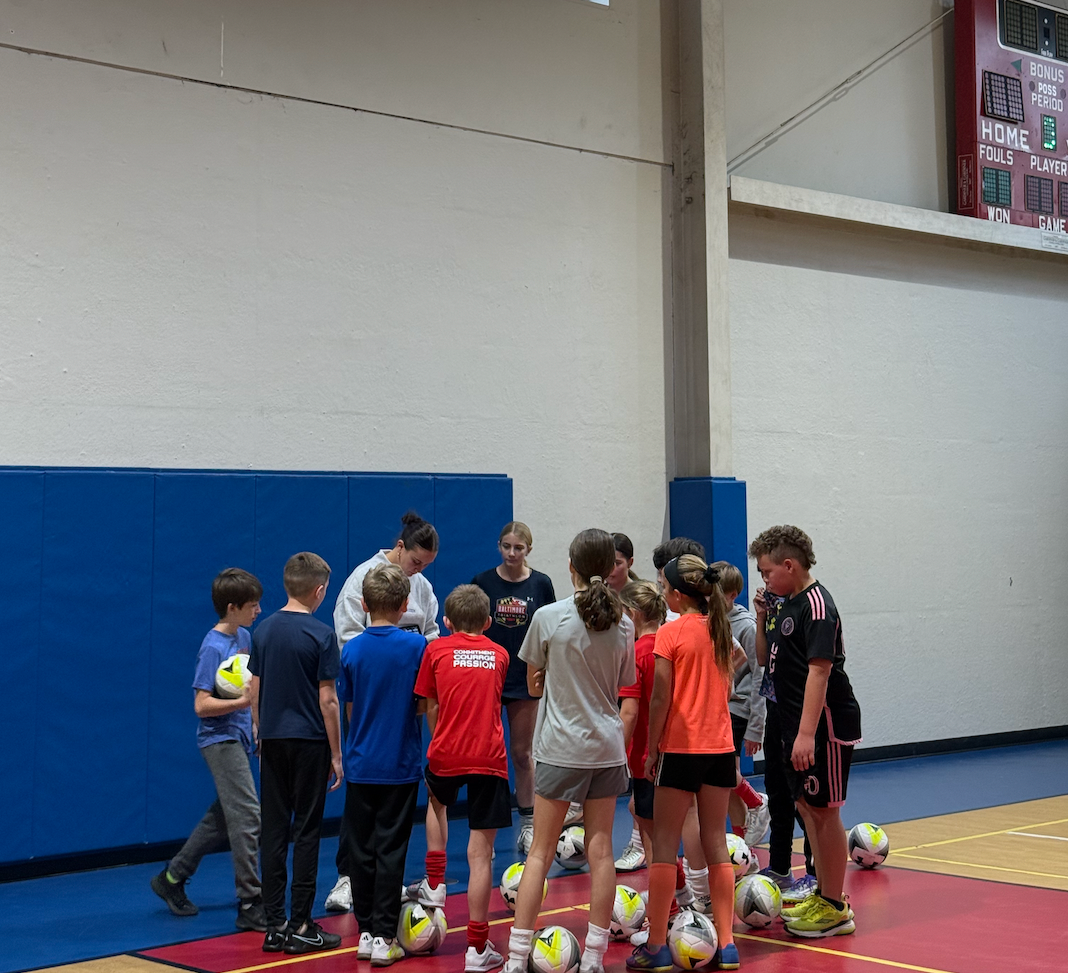
Leaving a positive impact on your team doesn’t require being the best player on the field. Most of it comes down to small actions that show up every day. Things coaches notice. Things teammates feel. Things that add up over time.
Here are five simple ways players can make their team better, starting this week.
1. Be early, not just on time
Getting there early shows respect for the group and gives you space to prepare instead of rushing.
What this looks like:
Arrive 5–10 minutes early, not right at start time
Get touches on the ball before warm-ups
Do a quick mobility/activation
Mentally pick one focus for the session (first touch, scanning, defending, etc.)
Being early shows your teammates you respect their time and the work you’re about to do together. It signals preparedness and sets a standard others naturally follow.
2. Bring energy without needing attention
Positive energy isn’t yelling or trying to be the loudest.
What this looks like:
Jog back to the line after drills
Stay engaged even when you’re not the one involved
Give quick encouragement like “yes” / “good idea” / “well done”
Keep positive body language after mistakes (no sulking, no quitting on the play)
This kind of energy tells teammates you’re committed even when the moment isn’t about you. That presence builds trust and lifts the group without distraction.
3. Take care of the small responsibilities
Set up cones. Help put equipment away. Reset drills quickly.
What this looks like:
Grab cones or goals without being asked
Help reset the drill so reps keep flowing
Make sure balls are back where they belong
Help a teammate understand the coaching point
Be ready when the coach starts explaining (eyes up, listening)
Handling the small things shows you’re thinking about the team, not just yourself. Leaders earn trust by making the environment easier for everyone to succeed.
4. Respond well when things don’t go your way
Everyone makes mistakes. Everyone has off days.
What this looks like:
Take a breath and move on fast after an error
Sprint back into position immediately
Stay involved instead of shutting down or blaming
Let the next action be a good one (simple pass, strong tackle, good run)
Composure after mistakes shows reliability. Teammates play with more freedom when they know you’ll stay locked in no matter what happens.
5. Do a little extra work on your own
Team training is shared. Development isn’t.
What this looks like:
10–20 minutes of focused work at home or before practice
Repeat one weakness consistently (weaker foot passing, first touch, scanning, finishing)
Do 2–3 short sessions per week, not random long ones
Train with a plan instead of just “getting a workout in”
Taking ownership outside of practice proves you want to contribute at a higher level. Over time, that preparation raises the standard of the group and strengthens team culture.
Final Thought
You don’t need to change who you are to make an impact.Be early. Be engaged. Take responsibility. Respond well. Take ownership of your development.
If you want support building those habits through short, focused training sessions and a clear plan you can actually stick to, that’s exactly what we do inside Gabarra Soccer. Our programs are designed to complement team training, remove guesswork, and help players show up more confident and prepared every week.
talk soon,
Talia & Tyler
