How We Build a Training Plan Just for You
Every player has different strengths, schedules, positions, and goals - which means their training should reflect that.
But most players are handed the same plans, the same drills, and the same expectations, regardless of where they are in their development. That’s usually where frustration starts. Training feels random. Progress feels slow. Confidence drops.
At Gabarra Soccer, we don’t believe development works that way.
Our process is built around clarity, efficiency, and long-term consistency - because those are the things that actually move players forward.
Here’s how we build a training plan that’s truly yours.
Step 1: We start with context, not just ability
Before we ever think about drills, we look at the full picture.
That includes:
Your age and stage of development
Your position and style of play
Your current season (in-season, off-season, or preseason)
Your weekly schedule (school, team training, games, life)
Your goals - short term and long term
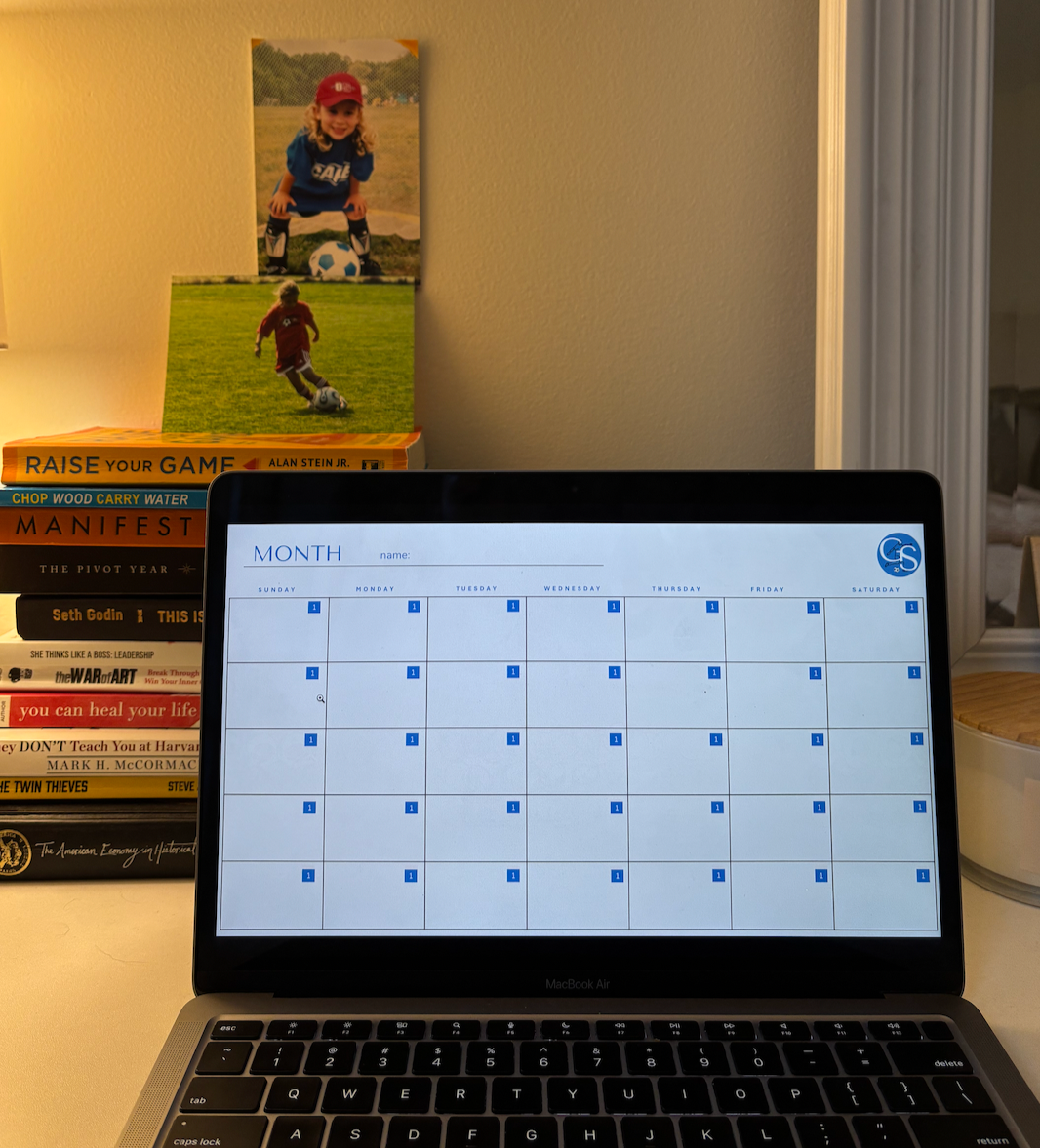
This information directly shapes the weekly schedule we build for you, not just the exercises inside it.
A player training three times per week during season needs something very different than a player with open time in the off-season. Ignoring that context leads to burnout or inconsistency. We don’t do that.
Step 2: We identify what actually matters most right now
Good training isn’t about doing everything. It’s about doing the right things at the right time.
We narrow the focus to:
1–2 primary development priorities
Supporting areas that keep training balanced
Skills and physical qualities that will translate directly to games
Those priorities become the foundation of your plan, guiding how sessions are placed throughout the week and what each session is designed to accomplish.
This creates clarity. Players know why they’re training and what they’re working on — which makes sessions easier to commit to and easier to repeat.
Step 3: We design sessions that fit real life
Our plans are built around 10–30 minute sessions on purpose.
Not because we want training to be easy - but because we want it to be repeatable.
Short, focused sessions:
Fit around team training instead of competing with it
Reduce decision fatigue
Make consistency realistic during busy weeks
Allow players to train with intensity and intention
These sessions are placed intentionally inside your weekly schedule, not left open-ended. You’re never guessing when to train or how long a session should be.
Consistency beats volume when development is the goal.
Step 4: We prioritize fundamentals that actually carry over
Every plan is rooted in fundamentals:
Technical quality
Speed and movement efficiency
Coordination and control
Confidence on the ball
Physical preparation that supports performance, not exhaustion
We don’t chase trends or extremes. Advanced work only matters when the basics are strong. That’s how confidence is built, and kept.
Step 5: We build structure players can trust
A good plan removes decisions.
Players know:
When to train
Exactly where to go (with each day hyperlinked directly to the workout)
How sessions fit into their schedule
What consistency actually looks like for them
That structure is what allows players to show up calm, prepared, and confident - especially when motivation dips or schedules get hectic.
Why this approach works
Our process isn’t designed for quick wins or short bursts of motivation.
It’s designed to help players:
Stay consistent over months, not weeks
Train with purpose instead of pressure
Build confidence through preparation
Develop habits that support long-term growth
When training fits the player, not the other way around, progress becomes predictable.
Final Thought
Development doesn’t come from doing more.
It comes from doing the right things, consistently, with a plan you trust.
That’s the standard we build around at Gabarra Soccer.
